
Blog

Most preconception blood work checks the obvious hormones. Almost none checks homocysteine, a marker with genuine research links to miscarriage risk, embryo quality and implantation, that's also cheap, easy to test, and often correctable.

Thousands of Australians search "thyroid function test" every month and click through almost none of the results. We looked at why, and what it means for the practitioners who could be closing that gap.

Red wine gives you a headache. Aged cheese leaves you flushed. Leftovers upset your stomach. If it's not quite an allergy but keeps happening, histamine intolerance might be the missing piece.

Persistent reflux or a nagging stomach ache that won't settle? A common bacterium called H. pylori could be the reason, and it's easy to test for.

A standard blood sugar check can look normal while insulin resistance develops underneath. Here's what fasting insulin and HOMA-IR may add, who might consider testing, and how to order both in Australia.

Bloated, fatigued or reacting to certain foods? Here's what to consider testing first, what a food intolerance test can and can't tell you, and where IgG panels honestly fit in.

Fatigue, flat performance, slower recovery, and a standard blood test that comes back "normal." For a lot of athletes, low ferritin is the missing piece.

Search "sports blood test" or "athlete blood test" and most of what comes back starts and ends with two markers: testosterone and cortisol. They are a reasonable place to start. They are not the whole picture, and if you are training seriously enough to wonder why recovery feels slower or why performance has flattened out, stopping there can mean missing the marker that would have explained it. This guide covers what a basic hormone check tells you, what it does not, and which additional markers tend to matter for people training consistently.

Just been told your cholesterol is high? It's one of the most common findings in Australian adults, and usually very manageable. Here's what LDL, HDL, triglycerides and Lp(a) mean, and the diet and lifestyle changes that genuinely move the numbers.

Health testing is easier to buy than ever, but almost nobody asks where the sample ends up. i-screen's Chief AI Officer sets out the seven questions worth asking any provider before you hand over your data.

Cramping, fatigue and low mood are common during your period, but not everything you feel is "just your period". Here's what's driving typical menstrual-phase symptoms, and when heavier or more disruptive symptoms are worth testing for.

Mood swings, bloating, breast tenderness, sleep disruption, the luteal phase carries the bulk of what's usually called PMS. Here's what's driving it hormonally, and when it's worth testing.

A short window, a hormone peak, and for many women, a genuine high point in mood, energy and libido. Here's what's happening at ovulation, and how to confirm it's actually occurring.

More energy, clearer skin, sharper focus, the follicular phase is often the best window of your cycle. Here's what's driving it hormonally, and what it means if this phase doesn't feel that way for you.
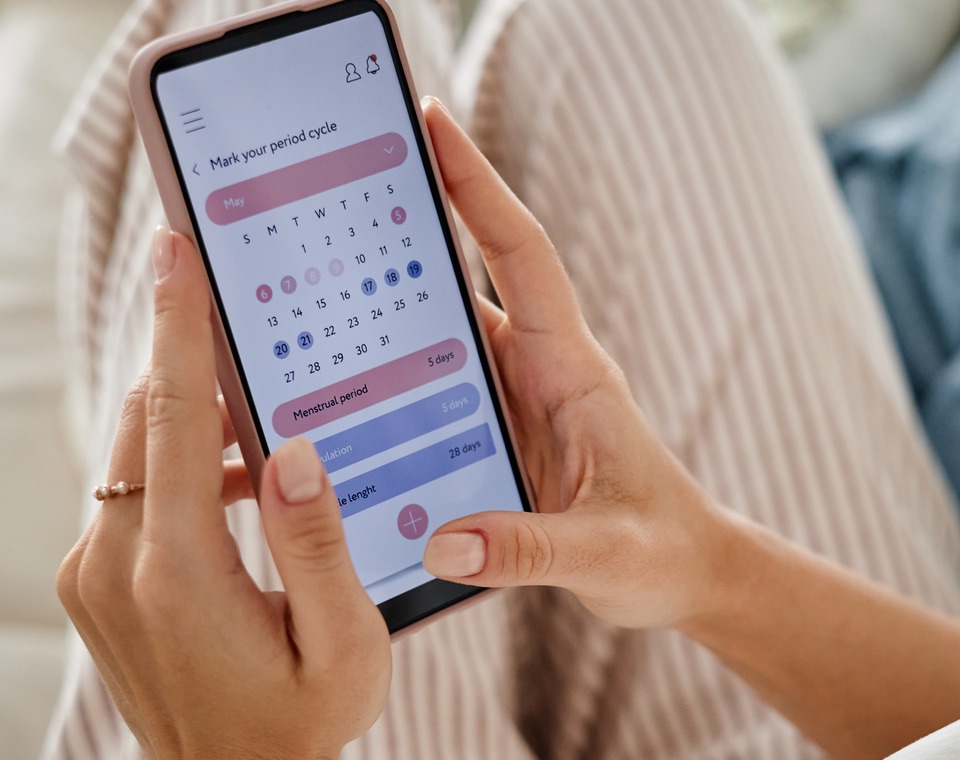
Your mood, energy, skin and symptoms shift across the month for a reason. This guide walks through what's actually happening hormonally in each of the four cycle phases, and links through to a deeper dive on the symptoms of each one.

Your GP mentions HbA1c and moves on. Here is what the number actually measures, why it is different from a normal blood sugar test, and what the result ranges mean for your risk of diabetes.

Bloating, gas and a gut that never quite settles can point to SIBO, small intestinal bacterial overgrowth. Here's what actually causes it, how a hydrogen/methane breath test works, and how to prepare so your result means something.

That 3pm crash, the brain fog, the tiredness sleep won't fix, could your diet be part of the picture? We unpack what the science actually says about food, gut health and energy, and how to start investigating your own.

Bloated after bread? Tired for no clear reason? Gluten sensitivity and coeliac disease are often confused, but they're very different conditions. Here's how to tell them apart, and what testing can (and can't) tell you before you change your diet.

Bloating, fatigue, skin flare-ups after eating? An elimination diet can help you work out which foods are behind it, but only with the right approach. Here's how to start one properly, and where testing fits in.

Feeling swollen and uncomfortable most afternoons isn't just "how it is." We unpack the everyday causes of bloating, from food intolerances to gut health, and how to start finding real answers.

Echo, ECG, calcium score and CTCA all look at the heart, but they check very different things. Here's what each one actually measures and how to tell them apart.

Bloating, brain fog, low energy, sound familiar? Many women notice their body reacts differently to food during perimenopause and menopause. We look at why, and how food intolerance testing can help you tell the difference between hormones and diet.

"Adrenal fatigue" isn't a diagnosis any endocrine society recognises. But the exhaustion is real, and so is what's happening with your cortisol. Here's the honest version, and how to check.

A standard cholesterol test doesn't report ApoB or Lp(a). Here's what each marker adds, who might consider testing them, and how to test both in Australia without a GP referral.

Trillions of microbes, three very different i-screen tests, and one big question: what do your results actually tell you? Here's the short version - the full science lives in our Resources section.

Comprehensive, Methylation, Gold Genetic, a single MTHFR marker, or DNA folded into a full health check? Answer five quick questions to find the i-screen DNA test that actually answers what you want to know.

If you're trying to get to the root cause of your hormonal symptoms - like fatigue, mood swings, PMS, low libido, or stubborn weight gain — the Advanced Dried Urine Hormone Test could be the breakthrough you’ve been looking for.

Every month, thousands of Australian men Google "how to increase testosterone," and land on supplement ads instead of clinical answers. Here's why testing your levels should be the first step, not lifestyle hacks.

Your TSH came back 'in range', but you still don't feel right. Thyroid antibody testing looks for the autoimmune process behind Hashimoto's - here's what TPO and thyroglobulin antibodies show, and when it's worth testing.

i-screen’s Chief AI Officer Brad Ryan explains how the platform utilises advanced AI to analyse complex biomarkers, provide personalised health insights beyond generic ranges, and support over 4,000 practitioners fin interpreting multi-modal medical data.

A normal TSH result doesn't always mean a normal thyroid. Here's what TSH, free T3, free T4, thyroid antibodies and reverse T3 each measure, and how the different thyroid test panels compare.

My Toxin Report is an at-home urine test that helps identify exposure to environmental pollutants including plastics, pesticides, solvents and preservatives to support informed health decisions.

Microbiome Check, GI-Map, Advanced Microbiome GutIQ and SIBO breath tests all check different things. This guide breaks down what each one actually measures, so you can work out which gut test matches your symptoms - without buying the wrong one first.

Skip the GP wait. Here's exactly how to order a blood test online in Australia without a referral: what's legal, how i-screen's model works, and which tests you can access today.

Endocrine-disrupting chemicals can subtly affect hormone balance over time. The Advanced Dried Urine Hormone Test helps individuals and clinicians understand daily hormone patterns and stress responses beyond standard blood tests.

Bowel cancer is being diagnosed earlier in Australians. An i-screen dietitian explores how gut health, diet, lifestyle and environmental exposures shape risk, and how early, personalised prevention can help.

If you searched "adrenal fatigue," you are not alone, and it is not nothing. It is not a medical diagnosis, but it points to something real: your cortisol rhythm. Here is what that test actually measures, and four other blood tests worth ruling out first.

Rethinking Immune Health: Why Balance Matters More Than Boosting

Australian guidelines recommend a cautious, symptom-guided approach, and not to treat Blastocystis or D. fragilis based on detection alone; treat symptomatic D. fragilis and selected symptomatic Blastocystis after excluding other causes.

Cholesterol and blood pressure only tell part of the heart-risk story. Homocysteine is a lesser-known marker linked to vascular strain, B vitamin status and MTHFR variants. Here is what a raised result usually means, and what tends to help.

A systems-based acne assessment reveals breakouts often stem from hormonal, metabolic, gut, nutrient, stress, thyroid and microbiological imbalances. Addressing these root causes leads to more effective, lasting results.

Inflammaging is silent, chronic inflammation that accelerates ageing. i-screen’s cytokine and gut tests help detect it early so you can take control of your long-term health.

Typing "is there a test for perimenopause" into Google and getting no straight answer? Here's what blood testing can tell you, what it can't, and how the new Medicare item changes things.
Hormonal contraception affects hormone testing. The pill suppresses natural hormones, making cycle tests unreliable, while hormonal IUDs often allow FSH, LH and oestradiol to remain useful. Copper IUDs don’t affect results.

The GutIQ Metagenomic Mapping test is the most comprehensive gut health check available, detecting 28,000+ microbes with advanced sequencing to deliver clear, actionable insights for digestion, immunity, mood, and long-term wellness.

ChatGPT said: Discover how your CLOCK gene shapes sleep, metabolism & mood. Disruptions can raise risk for obesity, diabetes & heart disease. Testing with i-screen helps tailor routines & eating windows to your body’s natural rhythm for better health.

Osteoporosis is a “silent disease” where bones become weak and prone to fractures, often without symptoms until a break occurs. Common in women over 50, it can be prevented with calcium, vitamin D, exercise, and early screening like a DEXA scan.
.jpg?q=70)
Vitamin D acts like a hormone, supporting mood, energy, and brain health. Low levels, especially in winter, can cause fatigue, low mood, and brain fog. It’s worth checking if you feel the seasonal slump.
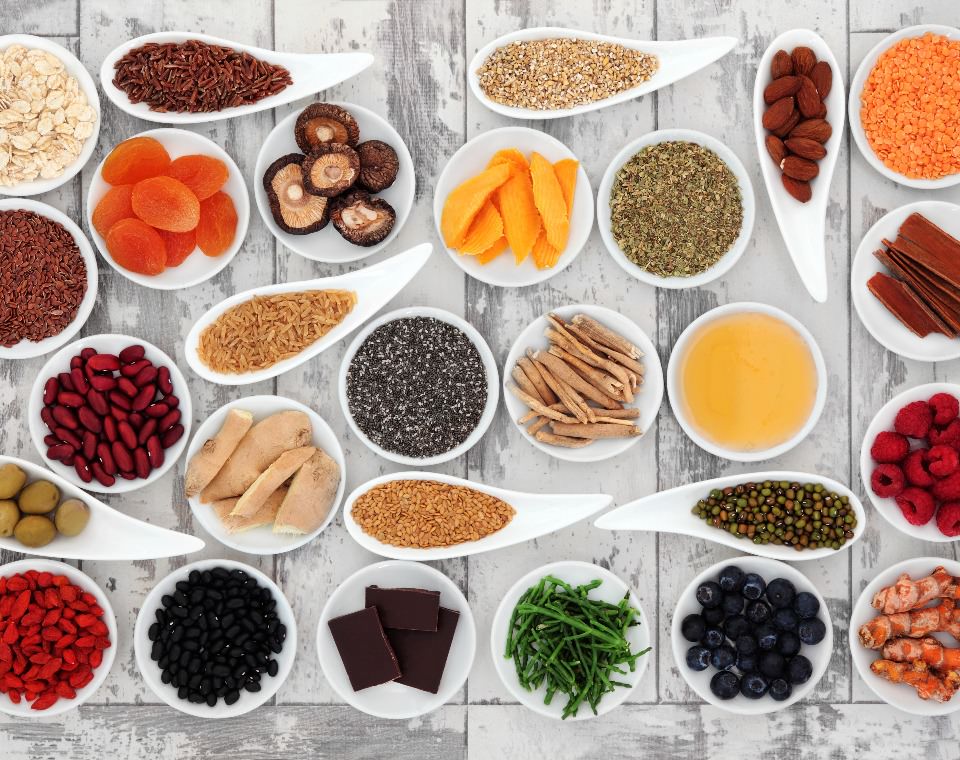
Vegan diets can meet protein needs but still lack key amino acids like lysine and leucine. Our Amino Acids Check helps you identify deficiencies so you can optimise your plant-based nutrition with confidence.

Learn why proactive testing is an essential step before and during GLP-1 treatment to safely support weight loss, metabolic health, and manage side effects.

Learn how i-screen protects your personal data through secure infrastructure, encryption, access controls, and privacy-first practices. We’re committed to keeping your information safe, compliant, and confidential at every step.

Understand your body's stress response with a Cortisol Awakening Response (CAR) test. Learn how this simple, at-home test can reveal insights into your energy, resilience, and overall adrenal health.
The Testosterone to Oestradiol (T:E) ratio is key for men’s health, influencing muscle mass, bone density, libido, mood, and cognitive function. Factors like body fat, stress, and aromatase activity affect this balance.

The Methylation Pathways Check reveals if your genetic variants are actively disrupting detox, metabolism, or mood—turning genetic insight into real-time answers.

Fibre is more than roughage—it's a gut-nourishing, inflammation-fighting, appetite-regulating super nutrient. From boosting your microbiome to supporting mood and heart health, discover why fibre is key to total body wellness in this science-backed blog.

Feeling tired, foggy or off despite “normal” blood work? The Organic Acids Test uncovers hidden nutrient, gut, and metabolic imbalances that could explain your symptoms.
Methylation is one of the most essential processes in your body. Despite its importance, most of us know very little about how well we methylate — or how methylation impacts our health.
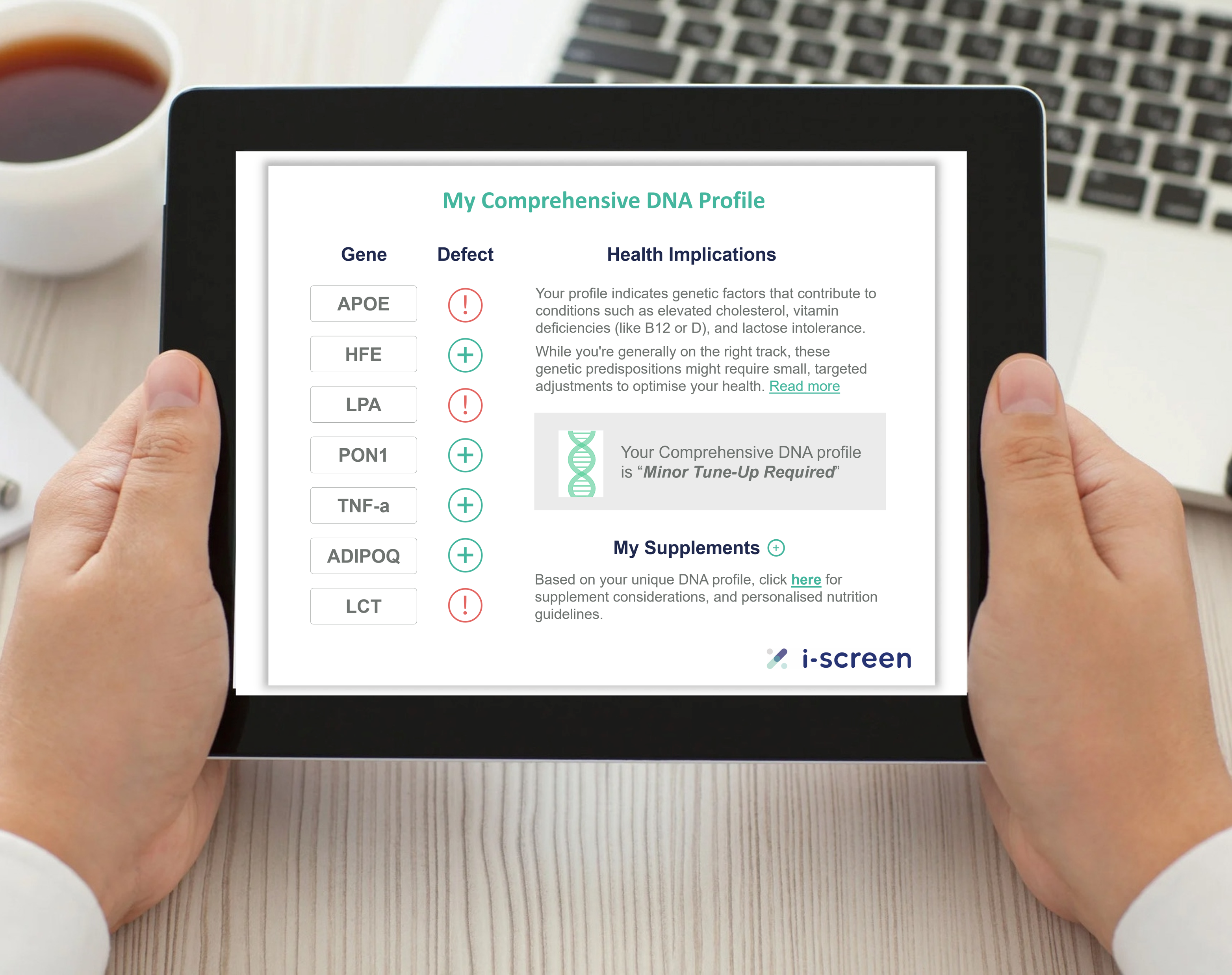
Your DNA is the blueprint of your body, influencing everything from metabolism to mental well-being. Understanding your genetic variants can transform your health.
Mould exposure can cause respiratory, neurological, and immune issues. Removing the source is essential, but nutrition can also support detox, reduce inflammation, and restore immune function for recovery.
When it comes to optimising your health, understanding the biochemical processes that power your body can be a game-changer. One such process is methylation—a critical function that occurs in every cell of your body.

Congrats on taking the PhenoAge test! Whether your biological age is younger, matches, or surpasses your actual age, it can change. Explore steps to optimise your biomarkers and start your journey to healthier ageing today.

Ageing is inevitable, but its pace isn't fixed. The PhenoAge test reveals your biological age — a true measure of health and longevity — offering insights to help you take control of your ageing process and well-being.

Find out how to unlock the secrets of your DNA. Discover how genes shape your health and make informed choices for a healthier you.

When your hormones are in proper balance they help the body thrive, but small problems with hormones can cause serious and life-altering symptoms.

Testosterone is an important hormone for men's health, but levels can decline with age. Here are 6 natural ways to improve testosterone levels.

Women's health is influenced by the complex ecosystem of the vaginal microbiome. Testing this ecosystem can help diagnose and manage conditions like bacterial vaginosis and recurrent UTIs, improving women's health outcomes.

The menstrual cycle is a complex physiological process that occurs in women of reproductive age, and it is regulated by hormonal changes. It involves several phases, each with distinct hormonal changes and impacts on mood, fertility, and overall health.

Learn how to optimise your vaginal microbiome for better health. Tips for maintaining pH, avoiding irritants, and promoting healthy bacteria.

Three commonly used methods for hormone testing in menopause are serum hormone testing and saliva hormone testing - which option is best?
Food Allergy vs. Food Intolerance: Understanding the Difference for a Healthier Life
When evaluating male hormone levels, two common methods used are serum hormone testing and saliva hormone testing.

Nutritional medicine is the study of the relationship between food and a healthy body. It involves analysing how nutrients are processed, stored and discarded by your body, and explores how what you eat affects your overall well-being.

An entire ecosystem of microorganisms lives in your gut - it's purpose not only to optimise its productivity, but also regulate your mood, your weight and even your immune system. This "microbiome" is essential to survival.

Thyroid conditions affect 1 in 7 Australians, and half don't even realise it. If you feel that something’s wrong, but you can’t put finger on what, it could be a thyroid issue.

Winter is well upon us down under. When the cold and grey weather settles in, summer can feel like a distant memory and our moods can feel like they're riding a rollercoaster.

IBS affects more than 20% of Australians. IBS has been associated with numerous underlying factors ranging from genetics, the immune system, infections and the microbiome, to diet, stress and even mental health.

As many of us spend Movember horrifying our significant others and entertaining work colleagues with bizarre sprouting of facial hair, one can’t help but question one’s own manliness when a month of abstinence doesn’t yield that much-coveted handlebar mo.

Feeling burnt out? it could be adrenal fatigue

Whilst death rates for cardiovascular disease continue to fall, this is largely due to improvements in treatment rather than prevention. What role can digital play to solve Australia's preventive health challenge?
Winter has officially arrived, and for many Australians this also brings a case of the winter blues.

Androgenic-anabolic steroids (AAS) have been used to enhance athletic performance since the 1940s, but some of the negative consequences of steroid abuse have only recently come to light.

Stress is part of everyday life and how you respond to it has a significant effect on your health.