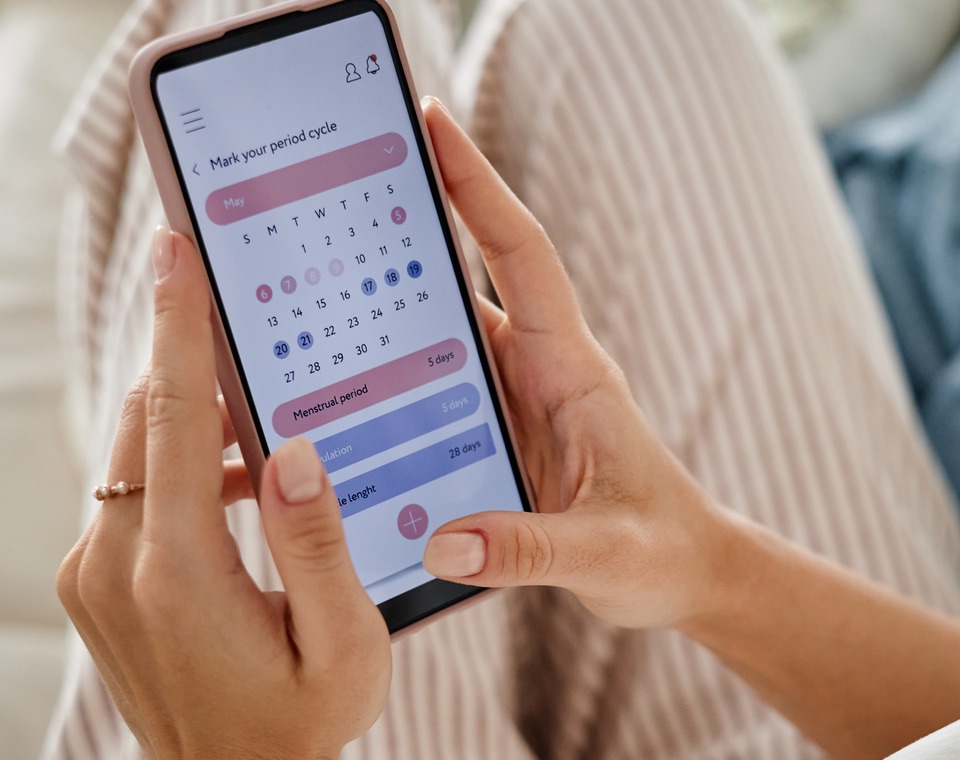
If you've ever felt like a different person in the two weeks before your period compared to the two weeks after it, the luteal phase is almost certainly why. It's the single biggest driver of the searches Australians run every year about cycle mood, and it's the phase most worth understanding properly.
What's happening hormonally
The luteal phase runs from ovulation to the first day of your next period, roughly 12 to 16 days. After the egg is released, the empty follicle becomes the corpus luteum, which produces progesterone (and some oestrogen). If pregnancy doesn't occur, the corpus luteum breaks down around day 22 to 26, and both hormones fall sharply, this drop is what triggers your period [1]. That sharp fall in the final days of the luteal phase is the pattern most people mean when they talk about PMS.
What that means for symptoms
- Mood. Irritability, anxiety, low mood and mood swings are commonly linked to the late luteal hormone drop, and are the most-searched symptom cluster on the entire topic.
- Physical symptoms. Bloating, breast tenderness, headaches and food cravings are common as progesterone rises then falls.
- Sleep. Progesterone has a sedating effect while it's elevated, then its withdrawal in the final days of the phase is commonly linked to disrupted sleep.
- Energy. A dip in energy and motivation in the final week before your period is one of the most consistently reported luteal-phase patterns.
For some women, these symptoms are mild and manageable, PMS in some form is estimated to affect around one in four menstruating people. For others, they're severe enough to disrupt work, relationships or daily functioning, a pattern sometimes described as PMDD (premenstrual dysphoric disorder), estimated to affect around 2 to 5% [2][3]. Current understanding is that PMDD reflects an increased sensitivity to the normal rise and fall of hormones across the cycle, rather than abnormal hormone levels themselves [3][4]. If your symptoms are severe, cyclical and significantly affecting your life, that's worth a direct conversation with your GP rather than something to manage alone. This article explains the hormonal pattern; it isn't a substitute for that conversation.
When to look at what's driving it
Because luteal-phase symptoms sit on top of a normal hormonal swing, it can be hard to tell "this is just my cycle" from "something else is compounding it". A few things worth checking if luteal symptoms feel more severe than they should:
- Overall hormone balance. Our Female Hormone Imbalance Test measures oestrogen, progesterone, testosterone, thyroid and cortisol together, useful if PMS-type symptoms feel disproportionate to a typical cycle.
- Cortisol pattern. Stress hormone patterns interact with progesterone's effects on mood and sleep. The Advanced Dried Urine Hormone Test maps cortisol alongside oestrogen, progesterone and testosterone across a full day.
- Thyroid function. Fatigue, low mood and disrupted sleep overlap heavily between luteal-phase symptoms and thyroid symptoms [5], and thyroid is the single strongest onward test for women who start with a hormone check. See our thyroid testing hub.
If irregular ovulation or absent luteal-phase progesterone rise is suspected rather than just symptomatic PMS, a PCOS Test is a reasonable next step.
For a deeper look at the mood side specifically, see our earlier guide, the menstrual cycle and mood. This is one piece of a five-part guide to symptoms across your whole cycle. See the full cycle phases and symptoms guide, or read about the ovulation phase that precedes it or the menstrual phase that follows.
This article is general information, not personal medical advice. It does not diagnose any condition, including PMDD. Always discuss your symptoms and results with a qualified healthcare professional.