
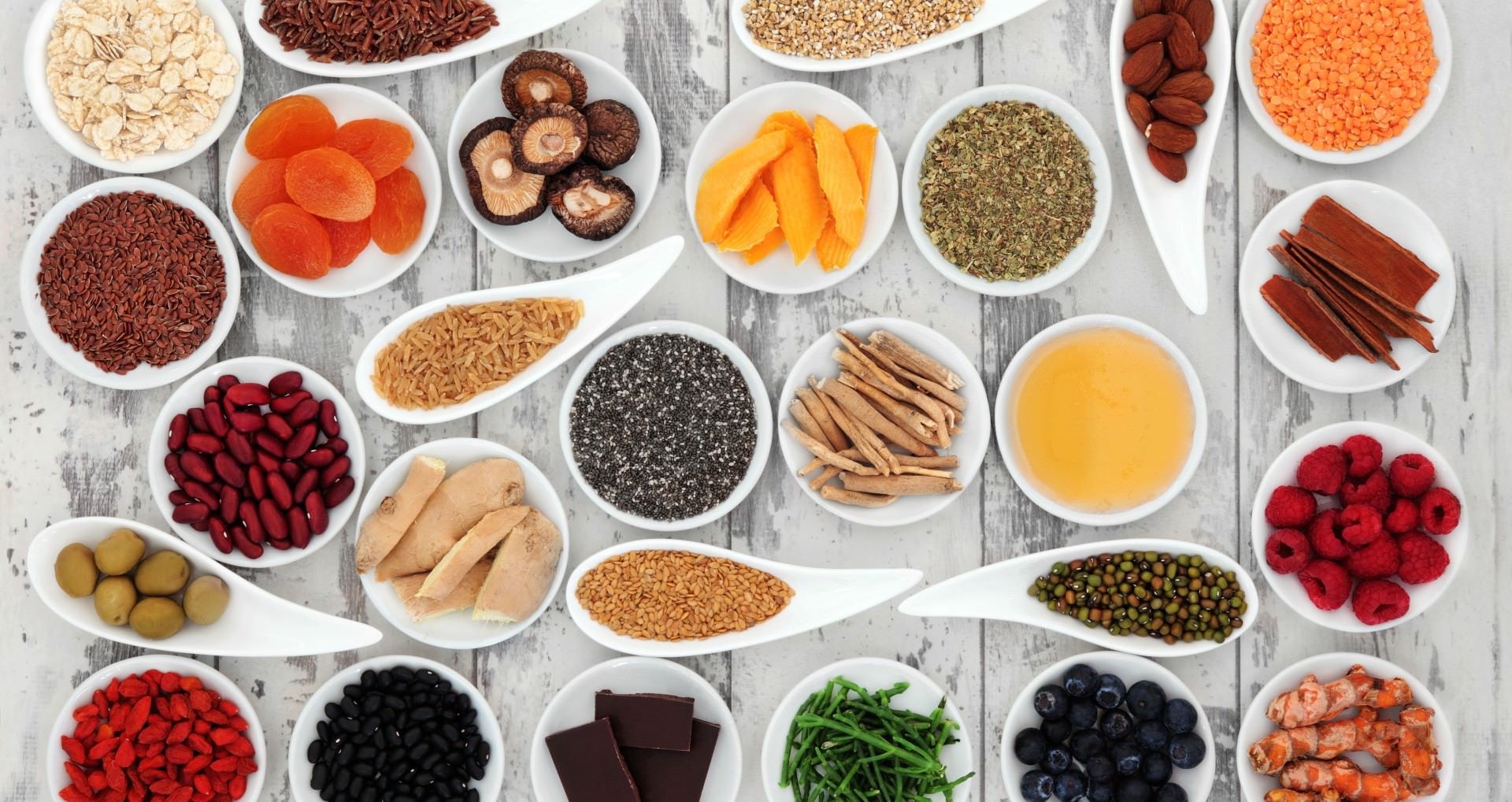
Nutrigenomics Wellness Report

Find Out Your Nutrigenomic Profile
The way your body uses nutrients is partly written into your DNA. Genetic variations influence how well you absorb folate, B12 and vitamin D, how your body stores and burns fat, how you process cholesterol, caffeine and dairy, and how effectively you manage inflammation and everyday toxins. Whether you're working on energy, weight, gut comfort or healthy ageing, knowing your nutrigenomic profile can help you modify your diet, change your lifestyle, and supplement more effectively to better support your health.
You'll receive a detailed report describing your individual nutrigenomic profile and what it means for your health across 26 wellness traits. Based on your results, we'll provide you with personalised nutrition guidelines and supplement recommendations, prioritised so you know what to focus on first.
Our Nutrigenomics Wellness Report is performed by an Australian NATA accredited laboratory. Your data is managed in accordance with the Australian Privacy Principles (APP) using the latest encryption, meaning you can be sure of complete discretion and confidentiality.

This simple cheek swab test analyses key nutrition-related genes — including MTHFR, FTO, APOE, FADS1, CYP1A2, VDR, BCMO1, LCT, MC4R, COMT and many more - across the pathways that shape how your body uses food.
Your nutrigenomic profile influences numerous everyday functions, including:
- Nutrient absorption and metabolism
- Weight, appetite and fat storage
- Heart and metabolic health
- Food sensitivities and tolerances
- Cellular protection, inflammation and detoxification
Interpretation of your results is provided along with personalised nutrition and lifestyle recommendations to help you optimise the way you eat for your genetics.
What's included
Your nutrigenomic profile describes how your genetics influence the way your body absorbs, transports and uses nutrients — and how it manages weight, metabolism, inflammation and detoxification. Small variations in these genes can mean you need more of certain nutrients than the average person, respond differently to fats, carbohydrates or caffeine, or benefit from a particular style of eating. Understanding these tendencies helps you and your practitioner build a nutrition and lifestyle plan around how you're actually built, rather than generic guidelines
This nutrigenomics test assesses a comprehensive panel of nutrition-related genes across vitamin metabolism, weight regulation, heart and metabolic health, food sensitivities and cellular health. Genes include MTHFR, MTR, MTRR, FUT2, NBPF3, GC, DHCR7, CYP2R1, VDR, BCMO1, SLC23A1, HFE, PEMT, GPX1, NQO1, FTO, MC4R, LEPR, BDNF, ADIPOQ, PPARGC1A, ADRB2, FAAH, ANKK1, APOE, APOA2, FADS1, FADS2, PON1, ADD1, ACE1, TCF7L2, MTNR1B, CLOCK, DIO1, DIO2, LCT, CYP1A2, ADORA2A, DAO, HNMT, SOD2, CAT, GSTP1, GSTM1, COMT and ALDH2. Knowing your genotype can uncover needs for nutritional support and help guide dietary, lifestyle and supplementation plans.
Genetic variations affect how efficiently your body absorbs and activates key nutrients including folate, vitamin B12, vitamin B6, vitamin D, vitamin A, vitamin C, iron, choline, selenium and CoQ10. For example, common variants in the MTHFR gene can reduce how well you convert folate to its active form, while variants in BCMO1 can limit how much vitamin A you make from plant foods. Identifying these tendencies helps you prioritise the right foods and supplement forms, so you're supporting the nutrients your body genuinely needs more of.
Your genes influence appetite, fullness, fat storage and how readily your body burns fat for energy. Variations in genes such as FTO, MC4R, LEPR and ADRB2 can increase appetite drive, affect how satisfied you feel after eating, and shape how your body responds to different diet and exercise patterns. Understanding your genetic tendencies can help explain why some approaches work better for you than others, and guide a more personalised, sustainable strategy.
Methylation of dietary fats, cholesterol processing and salt sensitivity are all influenced by your genetics. Variants in genes such as APOE, APOA2 and PON1 affect how your body handles saturated fat and cholesterol, while variants in ADD1 and ACE1 influence salt sensitivity. Knowing your profile allows your nutrition to be tailored — for example, how strictly to limit saturated fat or prioritise omega-3s — to suit how your body is built.
Your genetics shape how your body manages blood sugar and insulin, balances omega-3 and omega-6 fats, keeps to its daily body clock, and converts thyroid hormone into its active form. Variants in genes such as TCF7L2, MTNR1B, FADS1, CLOCK and DIO2 can influence these pathways. Identifying them helps guide meal timing, carbohydrate choices and nutrient priorities to support steady energy and metabolic balance.
Some everyday foods affect people very differently because of their genes. This test assesses your genetic likelihood of lactose intolerance (LCT), caffeine sensitivity (CYP1A2, ADORA2A) and histamine intolerance (DAO, HNMT). Knowing where you sit can take the guesswork out of which foods to enjoy freely, which to moderate, and how to time things like your last coffee of the day.
At a cellular level, your genes influence how well your body manages oxidative stress, regulates inflammation and clears everyday toxins. Variants in genes such as SOD2, CAT, NQO1, GSTP1, GSTM1 and COMT can affect your antioxidant defences and detoxification capacity. Understanding these tendencies helps you support your cells through targeted nutrition and lifestyle choices — a foundation for long-term wellbeing and healthy ageing.
Test instructions

Your cheek swab test kit and all instructions are posted directly to you.

Mail your sample(s) back to the lab using the prepaid envelope and packaging provided.

Results for this test available in 10-12 days and will be published in your online dashboard.
Ready. Set. Go!
Buy now for $349

Common Questions
You may also be interested in
MTHFR Blood Test
Genotyping for the two common MTHFR variants, C677T and A1298C, from a blood sample taken at a collection centre.
Comprehensive DNA Test
129 genes, 159 variants — how your DNA shapes nutrition, metabolism, recovery and more. Australian NATA lab.
Genetic Methylation Test
Simple cheek swab testing 129 gene variants linked to detoxification, hormone balance and energy production. NATA accredited.