

Hereditary Disease Risk Test
What is a preventative genetic test?
A preventative genetic test looks for changes in your DNA, called variants, that make a serious condition much more likely.
You're born with these variants, and nothing you do will change them. What can change is what happens next: when your screening starts, what your doctor watches for, and whether your relatives decide to get tested.
This test reads 184 genes from a saliva sample you collect at home. It covers inherited cancers such as BRCA1, BRCA2 and Lynch syndrome, inherited heart conditions such as familial hypercholesterolaemia and the cardiomyopathies, and other treatable conditions such as haemochromatosis.
You don't need a family history to be at risk. In a Monash University study of 10,000 young Australians, about 1 in 50 carried a high-risk variant, and that was testing for only three conditions.
A variant is a risk marker, not a diagnosis. Plenty of people who carry one never develop the condition. Knowing just means you can act early.

What your results look like
Your results are reviewed alongside the personal and family history you provide, so your report reflects you, not just your DNA. You'll get an email when it's ready in your secure results portal. Most people get a clear result; about 8 in 100 find a variant that raises their risk.
**No abnormality detected. **The most common result: no disease-causing variants were found in the 184 genes tested. You'll still get screening advice based on your own history, and standard programs like bowel, breast and cervical screening still apply.
Carrier status. You carry one copy of a variant for a recessive or X-linked condition. It usually doesn't affect your own health, but it can matter for your children, so partner testing may be recommended.
Increased risk. Your report names the gene and variant, the condition and how it's inherited, and sets out an action plan: earlier or more frequent screening, treatment options to discuss with your doctor, surgery and anaesthesia safety information where relevant, and which relatives could benefit from testing.
A genetic counselling consult is included with every test.
What's included
Inherited variants explain roughly 5–10% of cancers, and this section covers the genes behind the best-understood syndromes: hereditary breast and ovarian cancer, Lynch syndrome and the polyposis conditions. Finding one changes when your screening starts and how often it happens, years before any symptoms would appear.
Inherited heart conditions are often silent until a cardiac event, and these genes cover the main ones: familial hypercholesterolaemia, the cardiomyopathies, inherited arrhythmias and aortic disease. A finding here can mean an early echo or ECG, cholesterol treatment started decades sooner, or avoiding medicines that carry a risk for you.
These genes cover inherited clotting and bleeding disorders, including factor V Leiden and the prothrombin variant. Knowing you carry one informs decisions about the contraceptive pill, HRT, pregnancy, surgery and long-haul travel.
Haemochromatosis is one of the most common inherited conditions in Australians of Northern European descent, and caught early it's managed simply, by removing blood on a schedule. This section also covers polycystic kidney disease, Wilson disease, alpha-1 antitrypsin deficiency and Alport syndrome, where monitoring starts long before symptoms.
Monogenic diabetes (MODY) is often misdiagnosed as type 1 or type 2, and some forms respond better to tablets than to insulin, so the genetic answer can change treatment. This section also covers G6PD deficiency, acute intermittent porphyria, Pompe disease and BCHE, which affects how you clear certain anaesthetic drugs.
RYR1 and CACNA1S cover malignant hyperthermia, a dangerous reaction to some general anaesthetics that is avoidable when your anaesthetist knows in advance. The section also covers adrenoleukodystrophy and dopa-responsive dystonia, both conditions where early treatment changes the outcome.
These genes cover inherited connective tissue conditions, including the vascular and classical forms of Ehlers-Danlos syndrome and osteogenesis imperfecta. Vascular Ehlers-Danlos in particular changes how doctors approach imaging, blood pressure and surgery.
A one-on-one telehealth consult with an accredited genetic counsellor is included in the price, so you're never left to interpret a result on your own. If an increased risk is found, that appointment is booked for you, and Eugene's counsellors may also offer a pre-test session where your history calls for one.
Test instructions

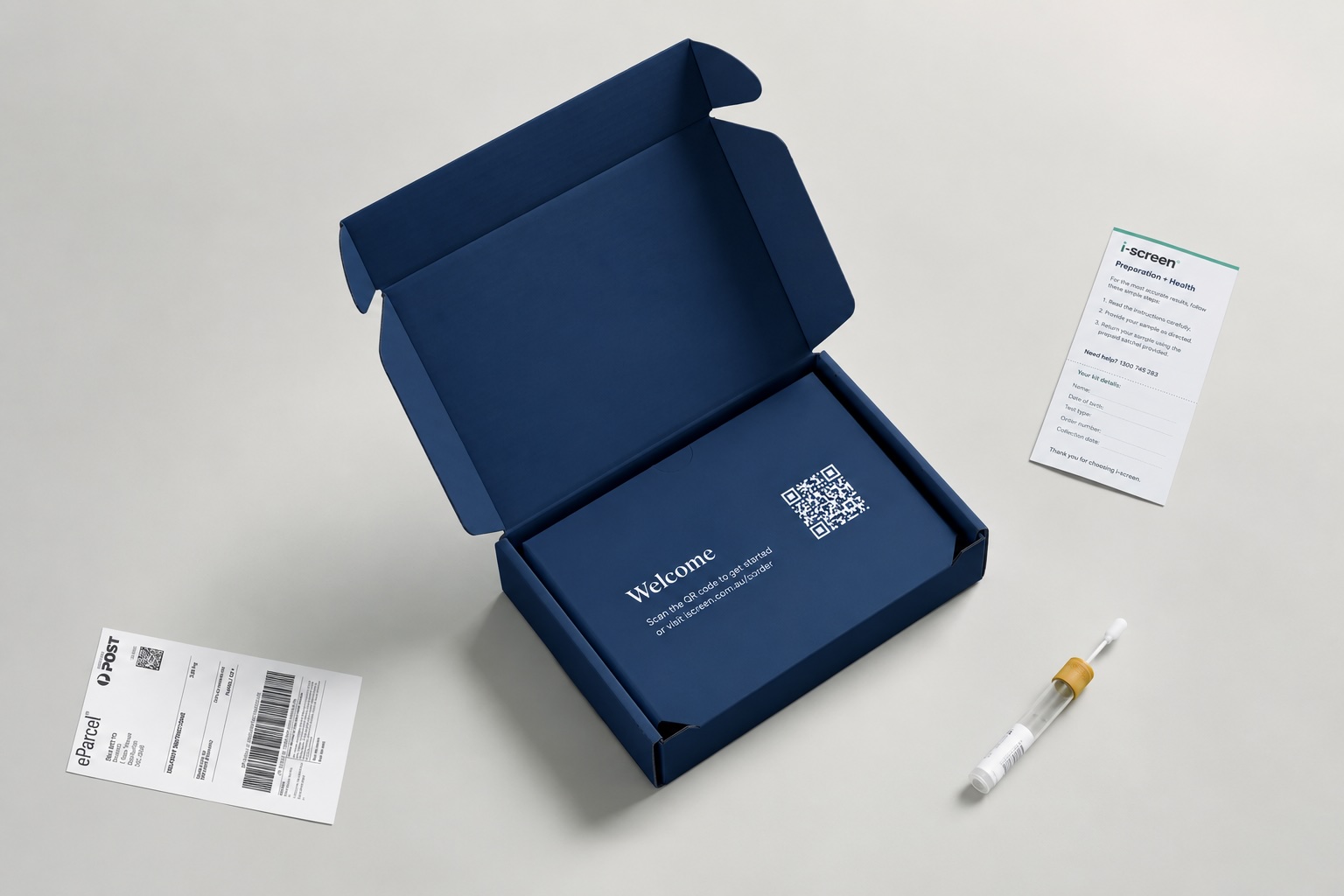
Your saliva kit and instructions are posted to you.

Mail your sample(s) back to the lab using the prepaid envelope and packaging provided.

Avoid food, drink, smoking and gum for 30 minutes, fill the tube to the line.

Results for this test are typically available in 4 weeks.
Ready. Set. Go!
Buy now for $1350

Common Questions
You may also be interested in
Comprehensive DNA Test
Screen 129 genes across digestion, hormones, athletic performance and longevity with a simple cheek swab. Australian NATA lab.
Genetic Methylation Test
Simple cheek swab testing 129 gene variants linked to detoxification, hormone balance and energy production. NATA accredited.
Men's Platinum Health & DNA Test
Our most comprehensive men's panel: cardiovascular, hormonal, nutritional and gut health plus 129-gene DNA insights in one test.