

Female Hormone Test
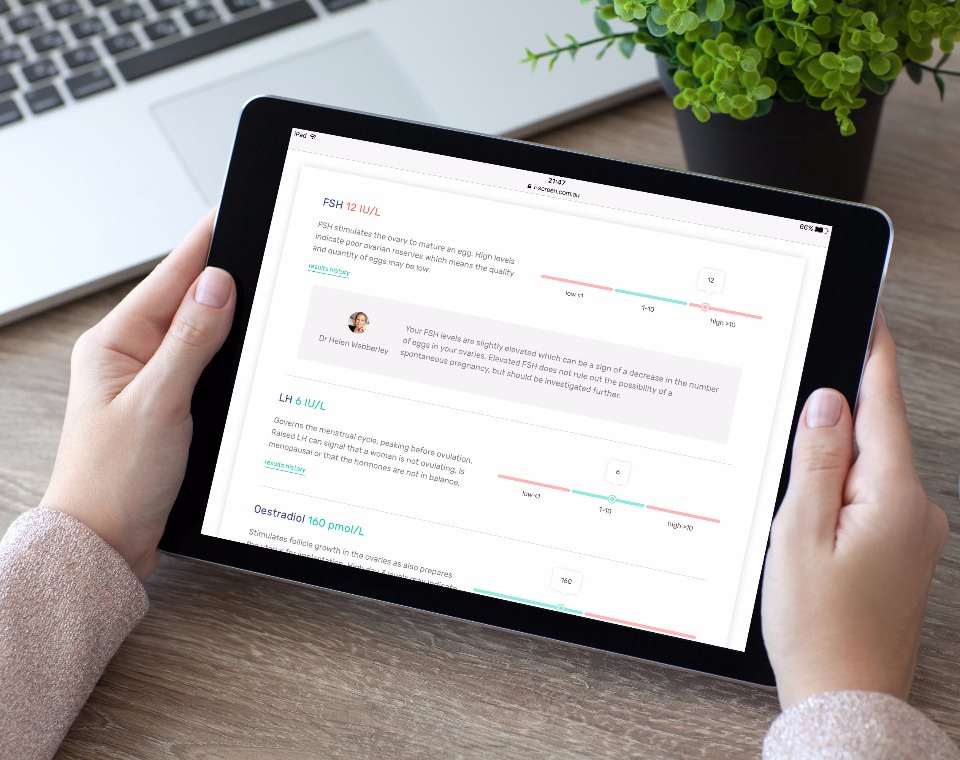
Are you living with a hormone imbalance?
Hormones are chemical messengers that affect the way your cells and organs function. It’s normal for hormone levels to fluctuate over time, such as with your monthly cycle, during pregnancy, or with the onset of menopause.
For women, the most pronounced hormonal changes come in the 40s and 50s, but are also seen in the mid-30s. Hormonal changes not only progress with age, but are also linked to lifestyle, diet, medications, pollution, toxins and xenoestrogens (synthetic chemicals that act as oestrogen in our bodies) that we are exposed to every day.

Hormonal imbalance can be to blame for a long list of symptoms which include irregular periods and infertility, cravings and persistent weight gain, digestive problems, low libido and vaginal dryness, fatigue, anxiety, irritability and depression, insomnia and poor sleep patterns, chronic acne and night sweats
A simple oestrogen and progesterone test can identify a hormonal imbalance. Changes to diet, digestive health, stress management, improved sleep and consistent physical activity have been shown to be effective in managing the effects of hormone fluctuations.
If you’re thinking about taking our Female Hormone Test and use hormonal contraception, read this guide first to understand how your method may affect hormone results.
What's included
This hormone analysis includes an oestrogen, testosterone and progesterone test, as well as an LH and FSH test. These sex hormones (in conjunction with adrenal and thyroid hormones) exert powerful effects on the body. Knowing the function and levels of these hormones is a positive step in creating hormone balance and achieving wellbeing.
An excess of testosterone produced by the ovaries is typically the main source of elevated androgens seen with PCOS, however 20-30% of women with PCOS have an excess of androgens that originates from the adrenal glands. This adrenal androgen excess can be detected by measuring DHEA-S levels - a mildly elevated DHEA-S level is common in women with PCOS.
Test instructions

Download and print your pathology form from your i-screen dashboard.

Take your form to one of our affiliated collection centres to have your sample taken.

Take test 7 days before predicted date of menstruation (if known). If menstrual cycle is 28 days, test on day 21 (where day 1 is the first day of bleeding).
Ready. Set. Go!
Buy now for $149

Common Questions
You may also be interested in
Fertility Test
Measure FSH, oestradiol, LH and progesterone — key markers relevant to reproductive health.
Thyroid Function Test
Measure TSH, free T3 and free T4 — the core markers for understanding your thyroid levels.
Adrenal Stress Test
Saliva test measuring cortisol and DHEA-S levels across the day — markers relevant to your stress and energy patterns.