
Sports Hormone Check (male)
What is a sports hormone test?
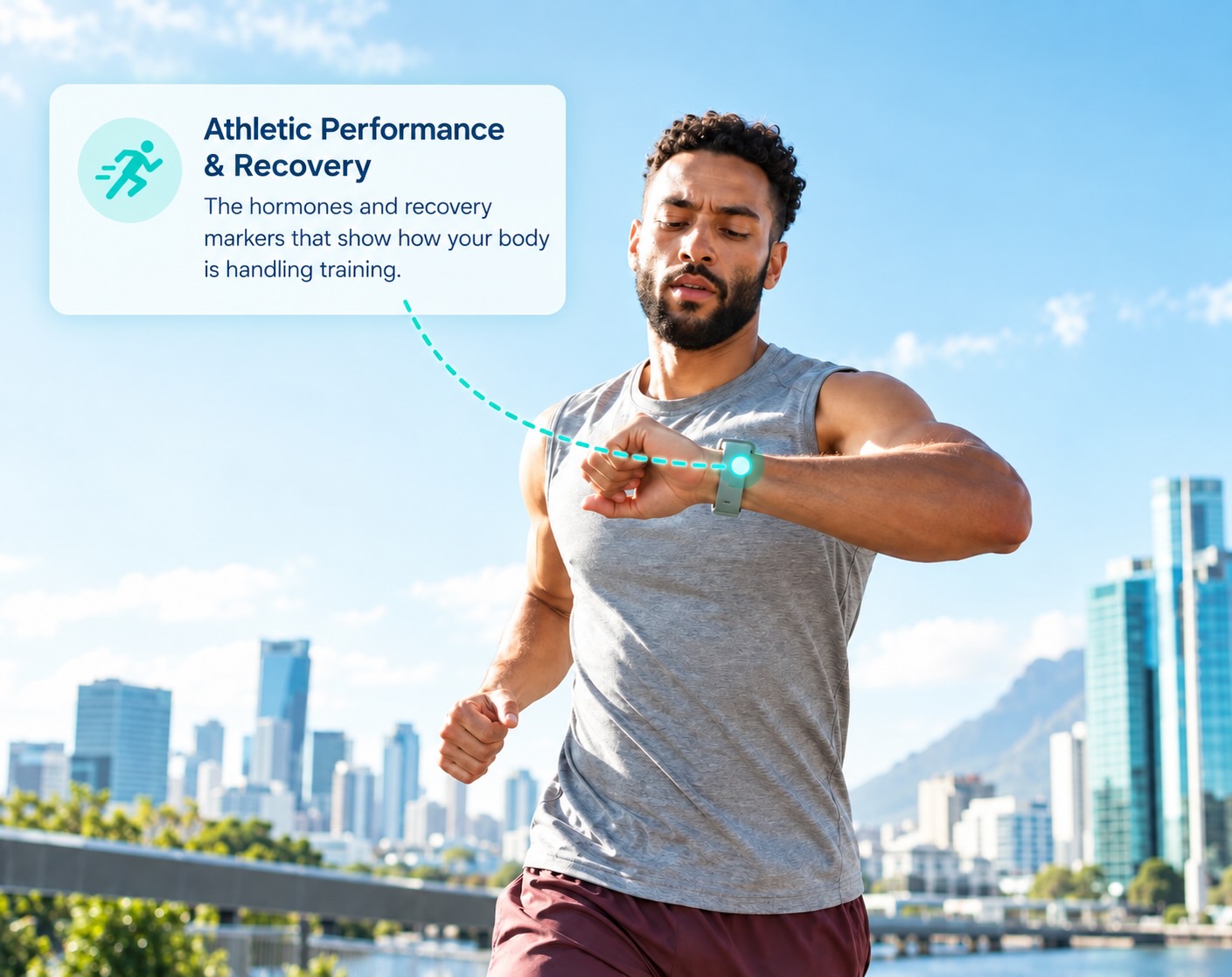
Training is a stress you apply on purpose. Handled well, you adapt. Push past what you can recover from and the signals reverse: testosterone drifts down, cortisol stays up, sleep suffers, performance stalls however hard you work.
This panel measures the hormones that build and repair muscle, the markers showing how much damage a training block caused, and the health markers heavy training can quietly affect.
Worth considering if you're:
- Training at serious volume, or plateaued despite consistent work
- Recovering poorly, or noticing fatigue, poor sleep or low libido
- On TRT or performance-enhancing substances, monitoring the markers most affected
- Wanting a baseline before a big block
What your results look like
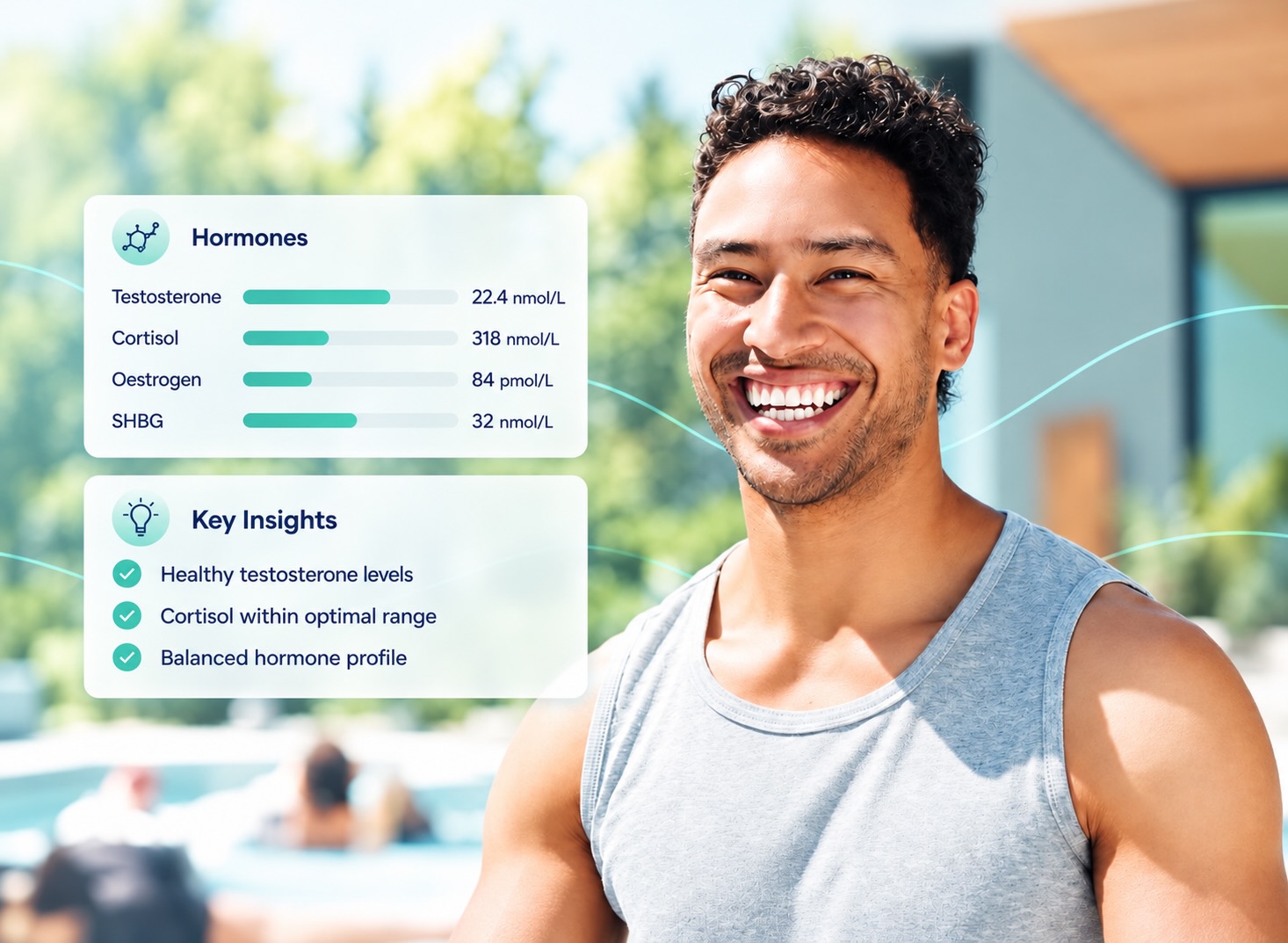
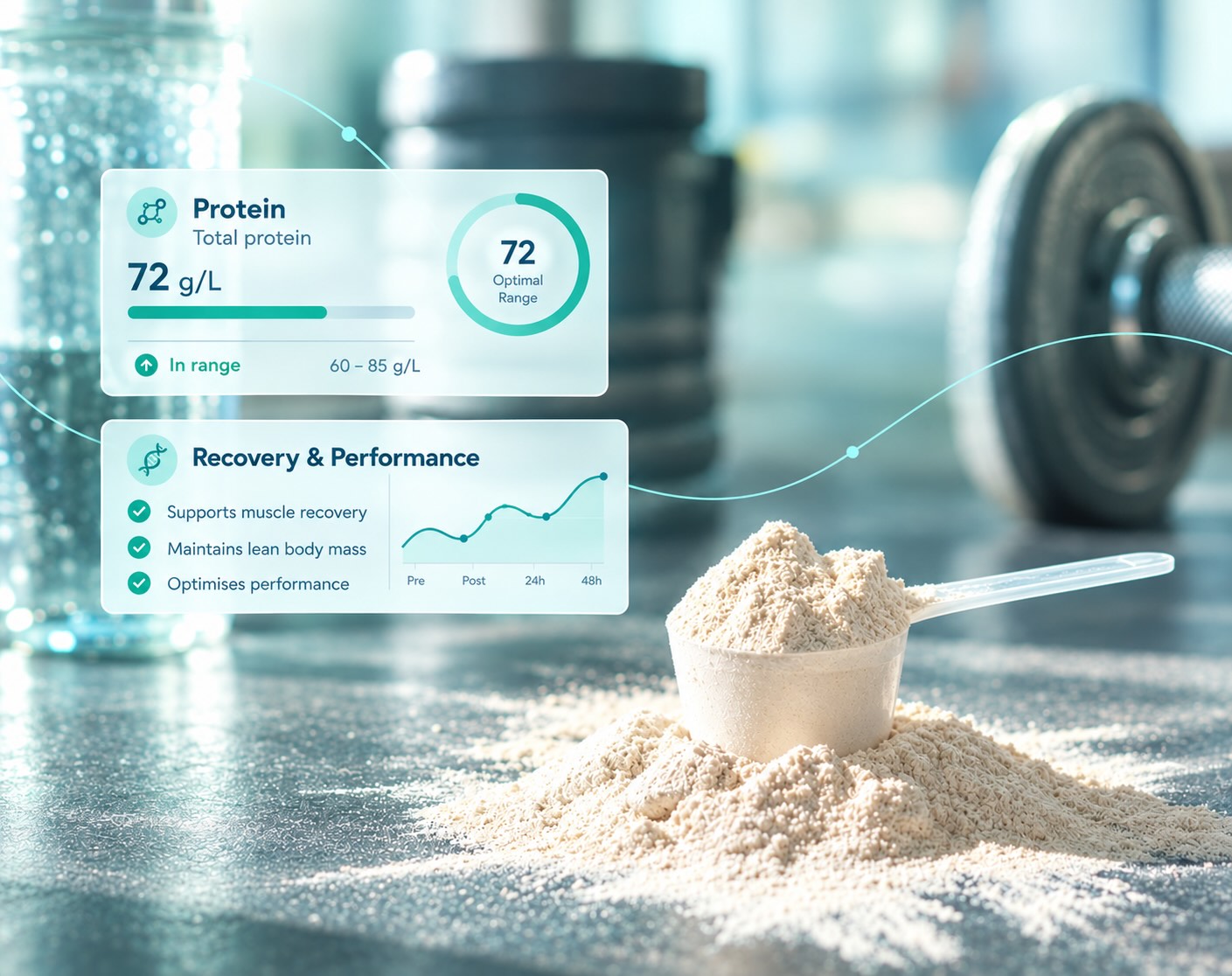
You'll receive a clear digital report in your i-screen dashboard within 2 business days. Every marker appears against its laboratory reference interval, grouped the way a coach or clinician would think about them, with a plain-English summary of what's in range and what isn't.
Your report also includes a biological age estimate, calculated from nine routine markers in the panel. It's a summary figure rather than a diagnosis, and it's most useful watched over time — the direction it moves across training blocks tells you more than any single number.
Testosterone is highest in the morning and falls after hard training, poor sleep or illness. One result is a snapshot, which is why testing two to four times a year, at the same time of day, tells you far more than a single test.
What's included
This snapshot brings together your key results, context, and next steps to give a clear picture of your health.
Our biological age test is a scientifically validated method that uses nine key blood markers to provide personalised insights into your health and ageing. Your biological age score is your biological age compared to your chronological (actual) age.
This hormone blood test measures levels of the key hormones and androgens that play an important role in governing masculinity and fertility. If you need an LCMS sensitive oestradiol assay, you can add this test on from the [personalised tests](https://www.i-screen.com.au/app/personalised-test) area of our website.
IGF-1 is involved in a wide range of physiological processes, including bone growth, muscle growth and repair, and the development of the nervous system. It also helps regulate metabolism, including glucose metabolism and fat metabolism.
Cortisol and DHEA-S play important roles in regulating physiological processes in the body. Cortisol has a catabolic effect which mobilises the body’s nutritional resources for fuel. DHEA-S has an opposing anabolic effect and converts food into living tissue. In order to achieve your fitness goals cortisol and DHEA-S must be in proper balance.
The full blood count measures red cells, white cells and platelets — foundational markers included in most health assessments. It is actually a group of tests that examine different parts of the blood. Results from the following tests provide the broadest picture of your health.
Your liver processes drugs and alcohol, filters toxic chemicals, stores vitamins and minerals, and makes bile, proteins and enzymes. This liver function test measures key liver enzymes and markers relevant to understanding your liver health.
Your kidneys filter waste from your body and regulate the salts in your blood. Bodybuilders and extreme athletes are more at risk of kidney failure due to high protein intake, excessive muscle breakdown from intense exercise, as well as anabolic steroid use.
Inadequate recovery from exercise or overtraining can be associated with inflammation and muscle damage.
Blood glucose is generated from carbohydrates and to use this fuel for energy your body needs insulin. With type 2 diabetes the cells either ignore the insulin or the body doesn't produce enough of it. Glucose then builds up leading to problems with the heart, kidneys, eyes, nerves, and blood vessels.
Lipids and cholesterol are fat-like substances in your blood. Some are necessary for good health, but when you have a high level of cholesterol in your blood, a lot of it ends up being deposited in the walls of your arteries and other vital organs. Lifestyle choices including diet, exercise and alcohol intake can all influence cholesterol levels and your risk of developing heart disease.
These bone health markers are part of a complex feedback loop that play a critical role in maintaining bone health. When you don’t get enough calcium, you increase your risk of developing osteoporosis and stress fractures.
Test instructions

Visit the collection centre within one hour of waking for the most accurate hormone test measurements.

Fast from all food and drink (other than water) for at least 8 hours, and no more than 12 hours prior to your test.

Refrain from strenuous exercise for 2 days before your blood test as this can affect the results.

Take your form to one of our affiliated collection centres to have your sample taken.
Ready. Set. Go!
Buy now for $189

Common Questions
You may also be interested in
Thyroid Function Test
Measure TSH, free T3 and free T4 — the core markers for understanding your thyroid levels.
Male Hormone Test
Measure testosterone, free testosterone, SHBG, LH and FSH — key markers relevant to male hormonal health.
Sports Hormone - Advanced
The full Sports Hormone Check plus iron studies, thyroid function, insulin and HbA1c, and growth hormone — the markers behind fatigue that testosterone alone won't explain.