

Cancer Risk Test
What is a hereditary cancer test?
Most cancers happen by chance, from gene changes that build up during life. Around 5 to 10% are linked to an inherited variant passed down through a family. If you carry one, your risk of certain cancers is higher than average, sometimes from a younger age than routine screening programs cover. Finding out means you and your doctor can plan earlier or more frequent screening, and your relatives can consider testing too.
The panel covers 69 genes linked to hereditary cancer syndromes. These include breast and ovarian cancer genes such as BRCA1 and BRCA2, bowel, stomach and pancreatic cancer genes including Lynch syndrome and the polyposis conditions, and genes linked to prostate, endocrine, kidney and urinary tract, skin and melanoma, brain and nervous system, and blood cancers.
This test looks for inherited risk. It can't tell you whether you have cancer now, and it doesn't replace bowel, breast or cervical screening.

What your results look like
You'll receive a doctor-reviewed report with one of three findings, plus a consult with a genetic counsellor to talk it through.
**No abnormality detected: **The most common result. No disease-causing variants were found in the 69 genes tested. National screening programs for bowel, breast and cervical cancer still apply, along with any checks your own history calls for.
**Carrier status: **You carry one copy of a variant for a recessive condition. It usually doesn't affect your own risk much, but it can matter for your children, so partner testing may be suggested.
Increased risk: Your report names the gene and the variant, explains the condition and how it's inherited, and sets out next steps to discuss with your doctor. These can include earlier or more frequent screening, referral to a specialist or familial cancer clinic, options for reducing risk, and which relatives could benefit from testing.
What's included
BRCA1 and BRCA2 are the best-known hereditary cancer genes, but several others also affect breast and ovarian cancer risk. Carriers are often offered breast screening from a younger age, and sometimes MRI as well as mammography.
Lynch syndrome is the most common inherited cause of bowel cancer, affecting roughly 1 in 280 people. The polyposis conditions and hereditary diffuse gastric cancer are rarer, and both usually mean starting colonoscopy or endoscopy earlier than the national bowel screening program.
HOXB13 is linked to a higher chance of prostate cancer, often at a younger age than usual. Carriers may be offered PSA testing earlier and more regularly.
These genes are linked to inherited conditions affecting the thyroid, parathyroid, adrenal and pituitary glands, including the multiple endocrine neoplasia syndromes and inherited phaeochromocytoma. Most have well-established monitoring plans, usually involving regular blood tests and imaging with a specialist.
These genes cause inherited kidney cancer syndromes such as von Hippel-Lindau and Birt-Hogg-Dubé. Because kidney cancer causes few early symptoms, carriers are usually offered regular imaging.
CDKN2A is the main gene linked to familial melanoma, which matters in Australia, where melanoma rates are among the highest in the world. Carriers are usually offered regular skin checks and advice on sun protection.
These genes are linked to inherited conditions such as neurofibromatosis, tuberous sclerosis and retinoblastoma, which can cause tumours in the brain, nerves or eyes. They're usually diagnosed in childhood, but milder forms can go unrecognised into adulthood.
RUNX1 and DDX41 are linked to a higher risk of leukaemia and other blood cancers. Carriers are usually monitored with regular blood counts, and the result also matters if a relative is being considered as a stem cell donor.
Some genes raise the risk of several different cancers. TP53 causes Li-Fraumeni syndrome, which is associated with a range of cancers from a young age and usually calls for a specialist surveillance plan.
A one-on-one telehealth consult with an accredited genetic counsellor is included in the price, so you're never left to interpret a result on your own. If an increased risk is found, that appointment is booked for you, and Eugene's counsellors may also offer a pre-test session where your history calls for one.
Test instructions

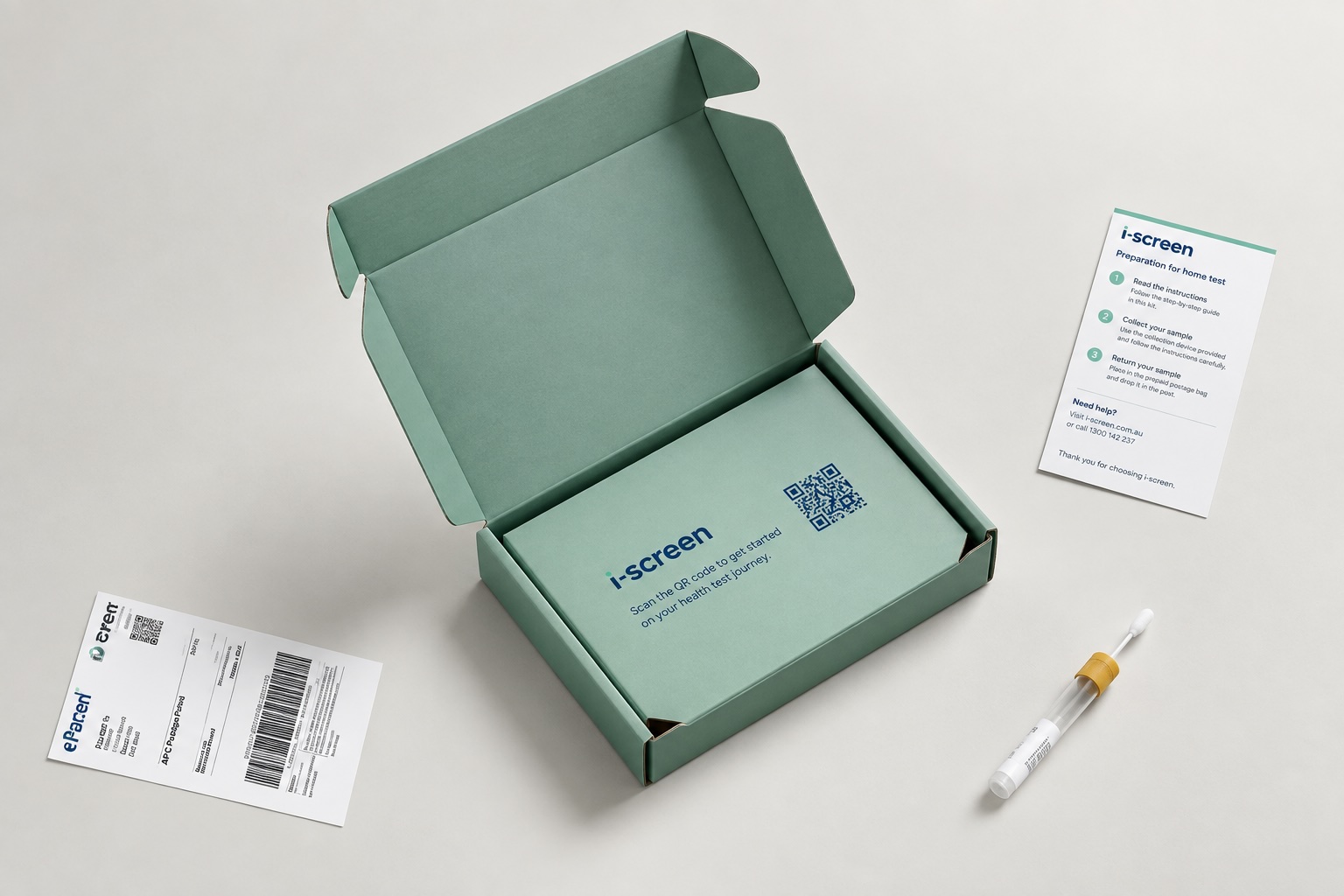
Your saliva kit and instructions are posted to you.

Mail your sample(s) back to the lab using the prepaid envelope and packaging provided.

Avoid food, drink, smoking and gum for 30 minutes, fill the tube to the line.

Results for this test are typically available in 4 weeks.
Ready. Set. Go!
Buy now for $1099

Common Questions
You may also be interested in
PSA Blood Test
Measures prostate specific antigen (PSA), a protein produced by the prostate. PSA testing has both benefits and harms - discuss with your doctor before and after testing.
Bowel Screen Test
Combines a faecal occult blood test (detects blood in the stool) with calprotectin (a gut-inflammation marker). Not a diagnosis; discuss results with your GP.
Men's Platinum Health & DNA Test
Our most comprehensive men's panel: cardiovascular, hormonal, nutritional and gut health plus 129-gene DNA insights in one test.